
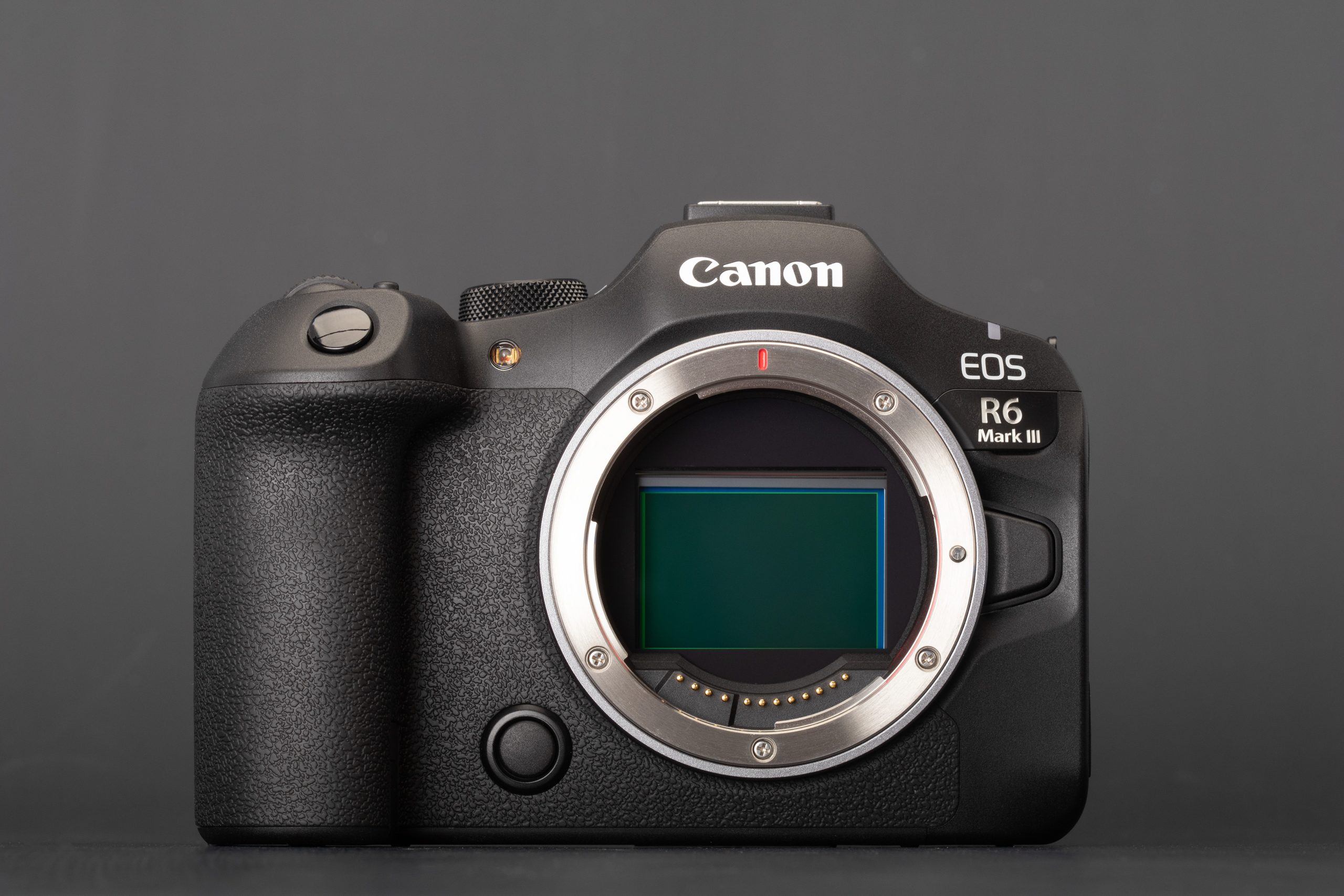
The full-frame mirrorless market is a fiercely competitive arena where incremental upgrades must be both meaningful and strategic. The Canon EOS R6 Mark III enters this space not as a revolution, but as a masterclass in thoughtful refinement, earning a definitive Editors’ Choice award by addressing the precise limitations of its acclaimed predecessor while amplifying its core strengths. Priced at $2,799 for the body, this latest iteration makes a compelling case for serious enthusiasts, hybrid content creators, and working professionals by introducing a higher-resolution 32.5MP sensor with innovative open-gate video capabilities, all while preserving the blistering 40fps autofocus performance, robust build quality, and intuitive handling that defined the R6 lineage. Through these targeted enhancements, the R6 Mark III positions itself as perhaps the most balanced and capable hybrid camera in its class, narrowly but decisively surpassing key rivals like the Nikon Z6 III.
Strategic Evolution: The New Sensor and the Sanctity of Form
Canon’s upgrade strategy with the Mark III is a study in listening to user feedback. The most significant leap is the new 32.5MP backside-illuminated (BSI) CMOS sensor. This represents a substantial 10-megapixel increase over the Mark II’s 24.2MP resolution, providing photographers with greater cropping flexibility and more detailed files for large prints, while astutely avoiding the file size and processing overhead of ultra-high-resolution sensors that could compromise speed.
For videographers, this sensor unlocks a groundbreaking feature: 3:2 open gate recording. By utilizing the full sensor area, filmmakers can capture footage that can be freely reframed in post-production for various aspect ratios (16:9 for YouTube, 9:16 for social reels, 4:3 for certain deliverables) without losing resolution. This single feature transforms the R6 Mark III into a powerful, budget-conscious tool for professional video production.
Simultaneously, Canon demonstrated wisdom in leaving the body design and ergonomics unchanged from the Mark II. The camera retains its comfortable, substantial grip, logical button placement, and rugged magnesium-alloy construction with comprehensive weather sealing. This decision ensures a seamless transition for existing R6 owners and affirms that the core ergonomic philosophy was right from the start. Measuring 5.4 x 3.9 x 3.5 inches (WHD) and weighing 1.5 pounds, it remains directly competitive with the Sony a7 IV and Nikon Z6 III.
Performance Core: Unmatched Speed and Professional Reliability
Beneath the new sensor lies the same performance DNA that made the R6 series legendary. The camera retains the phenomenal 40 frames-per-second continuous shooting speed with electronic shutter (12 fps with mechanical), driven by the advanced Dual Pixel CMOS AF II system with deep learning-based subject detection for people, animals, and vehicles. This combination makes it a formidable tool for sports, wildlife, and event photography.
The professional-grade feature set is comprehensive:
- In-Body Image Stabilization (IBIS): Now rated up to 8 stops of compensation when paired with compatible RF lenses, enabling sharp handheld shots in challenging light.
- High-Resolution EVF: A 3.69-million-dot electronic viewfinder with 120fps refresh rate provides a clear, lag-free viewing experience.
- Dual Card Slots: One CFexpress Type B and one UHS-II SD slot offer flexibility, redundancy, and speed for professionals who cannot afford card failure.
These features collectively justify its position above entry-level models like the EOS R8 and validate its premium price point.
The Ecosystem Consideration: Canon’s Walled Garden
A critical factor in any camera purchase is the lens ecosystem, and here, Canon presents a unique scenario. The company maintains a restrictive licensing policy that, as of this review, prevents third-party manufacturers like Sigma, Tamron, and Viltrox from producing autofocus lenses for the full-frame RF mount. This means photographers are locked into Canon’s own RF lenses or must use an adapter for older EF glass.
| Strengths of the Canon RF System | Challenges of the Closed Ecosystem |
|---|---|
| Exceptional Optical Quality: Native RF lenses, especially L-series, are among the best in the industry. | Limited Budget Options: Fewer affordable third-party alternatives for enthusiasts on a budget. |
| Innovative Designs: Leveraging the short flange distance for compact, fast lenses like the RF 28-70mm f/2. | Reduced Competition: Potentially higher prices and slower innovation pace due to lack of direct competition. |
| Seamless Integration: Lenses communicate flawlessly with the body for optimal IBIS, autofocus, and metadata. | System Lock-in: Switching systems later is more costly, increasing investment commitment. |
For photographers who value the optical excellence and integration of native lenses, this is a non-issue. For those who rely on the value and variety offered by third-party manufacturers, systems from Sony or Nikon may be more appealing.
Refined Handling and Verdict
The control layout is a carryover triumph, featuring deep customization via multiple programmable buttons, a responsive touchscreen, and the invaluable multi-controller joystick. A particularly praised feature is the mode dial lock button, which prevents accidental changes during critical shoots a small but profoundly appreciated detail for event and wedding photographers.
The Canon EOS R6 Mark III succeeds by executing a flawless targeted upgrade. It doesn’t try to be everything to everyone. Instead, it focuses on being the ultimate balanced tool for the hybrid creator. It offers photographers significantly more resolution without sacrificing speed, and it gifts videographers a pro-grade open-gate feature previously found only in much more expensive cinema cameras. While the closed lens ecosystem requires consideration, for those invested or willing to invest in Canon’s superb RF glass, the R6 Mark III stands as the new benchmark for what a mid-range, full-frame hybrid camera can and should be: exceptionally capable, reliable, and intuitive.
Explore Steaktek for more updates.

